Requesting a photo pass is a simple task, and one thing every event photographer should know how to do. And lucky for you, there are really only three things a public relations agent or manager wants to know when making the decision.
Obtaining A Photo Pass
Under most circumstances, the photo pass is a credential that is intended for photographers providing editorial coverage of a event. For more info on the photo pass, please see that info article below.
If the publication you’re shooting for has an assignments editor, you probably don’t have to make requests for credentials yourself. For everyone else, this article is for you. Personally, I prefer to make requests myself even when I do have an editor, as it’s simply a more direct line of communication.
Top 3 Things Publicists Want To Know For A Photo Pass
- Who are you shooting for?
- What event do you want to photograph?
- What’s your name?
Almost without exception, who or what you’re shooting for is the single most important factor in whether or not you will get a photo pass. Publicists want to know who you’re shooting for because this allows them to easily gauge the worth of the coverage and the images that result.
When making a request, include all the necessary event info so the person setting up credentials knows exactly which event you’d like to cover.
Your name is probably the least important piece of information out of the three, though of course they’ll need it to put you down for the correct credentials.
And really, it’s that simple.
The above pieces of information are really the only things a publicists wants to know in most cases. If more info is needed, you’ll be asked for it.
This could easily be titled, “Assignments: The Secret to Getting Photo Passes.” If you’re on assignment for a relevant publication, getting photo passes should be a piece of cake.
If your publication is small or you haven’t worked with a particular publicist or label before, a short introduction about your media outlet might be in order, but it’s not necessary.
Other Suggestions
Be Polite: I have only one other suggestion about photo passes, and that’s to be polite. You are not entitled to receive a photo pass and publicists are busy people. Politeness and general courtesy can go a long, long way in building relationships with the media gatekeepers.
But what if you’re not shooting for a publication!
If you’re not shooting for a publication or other use that will do meaningful work for a publicist, there is no reason for them to arrange credentials for you. I know; it’s a hard-knock life.
This isn’t to say that it’s not possible to get passes for shows when you’re not on assignment, but simply that giving out passes in such cases doesn’t really help publicize events or brands in a meaningful and reliable way in most instances.
Closing Notes:
I know there are a lot of people out there who are probably interested in this last bit about what to do when you are not shooting for a publication, but that’s a whole other topic.
In the meantime, please feel free to discuss the merits of what you think PR agents need to know and how you approach the act of requesting a photo pass.
What is a Photo Pass?
Anyone who has attended a large shows/events with big name acts/performances is probably familiar with a ban on “professional” cameras at these events. More often than not, special authorization is needed to photograph the performances under these conditions. The physical form of this permission is a “photo pass.”
A photo pass is a credential that identifies an individual to security and event staff as an approved photographer for an event. Photo “passes” most often take the form of a fabric sticker, but they also come as wristbands, laminates, or even pieces of paper.
Ultimately, the main goal of photo pass is to generate images for use as editorial content, which can in turn generate publicity for the event or relevant brand/artist.
Who Gets a Pass?
By virtue of their purpose, photo passes are intended largely for media outlets, ranging from newspapers and magazines to online sources like webzines and blogs.
The process of approval may depend on several factors, including the size of the publication one is shooting for and personal relationships with those controlling the media list.
What Does It Do?
In most instances, this photo pass simply allows you to shoot for the allotted time limit for a concert. Three-songs is a common limit for many big name acts, while some performers may dictate shorter or longer shooting times for concert photographers.
If there is a designated area for photographers to shoot from, such as in front of a barricade at the front of the stage, a photo pass will grant access to these spaces.
Contrary to the popular belief of “groupie” girls in the front row, a photo pass doesn’t get you backstage or onto the band’s tour bus.
Individual Approval?
Whether individual approval is needed for each brand/vendor may depend on the event policy or event the brands/acts performing. For some events, approval from the event organizer may grant access to shoot the all the acts/performances. But for some events/shows (car shows and fashion shows), individual approval is necessary to shoot each booth or brand. Ultimately, honoring a photo pass secured through the event organizer is up to the booth manager and the PR management of the brands.
My Camera and Lenses for Event Photography
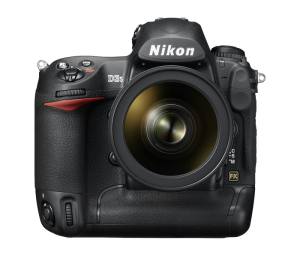
Nikon D3s
12MP FX, 9 FPS
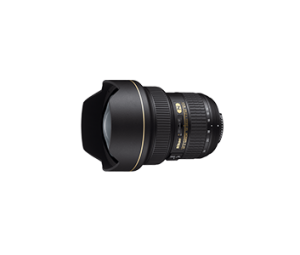
14-24mm
f2.8G ED
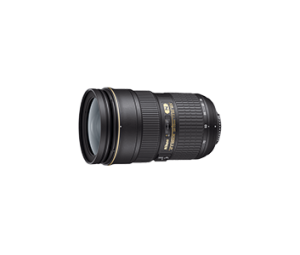
24-70mm
f2.8G ED
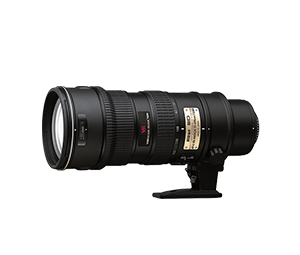
70-200mm
f2.8G ED